ABOUT US
We are an Ohio-based company that builds proprietary, custom-designed machinery engineered to scale. Our units are not “one-size-fits-all”; they are adapted to fit specific WWTP capacities and varying data center power densities. Our custom machines adapt to different waste streams. Whether a municipality processes 2 million or 20 million gallons per day, our equipment is modularized to integrate seamlessly into existing footprints.
Why Sewage + AI?
AI and sewage are permanent realities, yet we treat them as unrelated. Traditionally, sewage sludge is spread on land, but the EPA warns this cycles PFAS and microplastics into our food chain. Meanwhile, AI’s growth is staggering. In 2025, there are 99 mobile broadband subscriptions per 100 inhabitants, yet 2.1 billion people still lack safely managed drinking water. Cooling data centers with fresh water is no longer viable. At Waste2Nano, we bridge this gap with an integrated approach: Waste to High-Value Materials: We convert sewage solids—70% of which is typically land-applied—into cellulose and nanocellulose. We capture contaminantwith fresh water is no longer viable. At Waste2Nano, we bridge this gap with an integrated approach: Waste to High-Value Materials: We convert sewage solids—70% of which is typically land-applied—into cellulose and nanocellulose. We capture contaminants at the source, preventing them from entering The average American uses 82 gallons of water daily, most of which becomes wastewater. We repurpose this local resource for data center cooling, protecting the potable supply. the environment. Wastewater for AI Cooling: The average American uses 82 gallons of water daily, most of which becomes wastewater. We repurpose this local resource for data center cooling, protecting the potable supply. The average American uses 82 gallons per day, our equipment is modularized to integrate seamlessly into existing footprints.
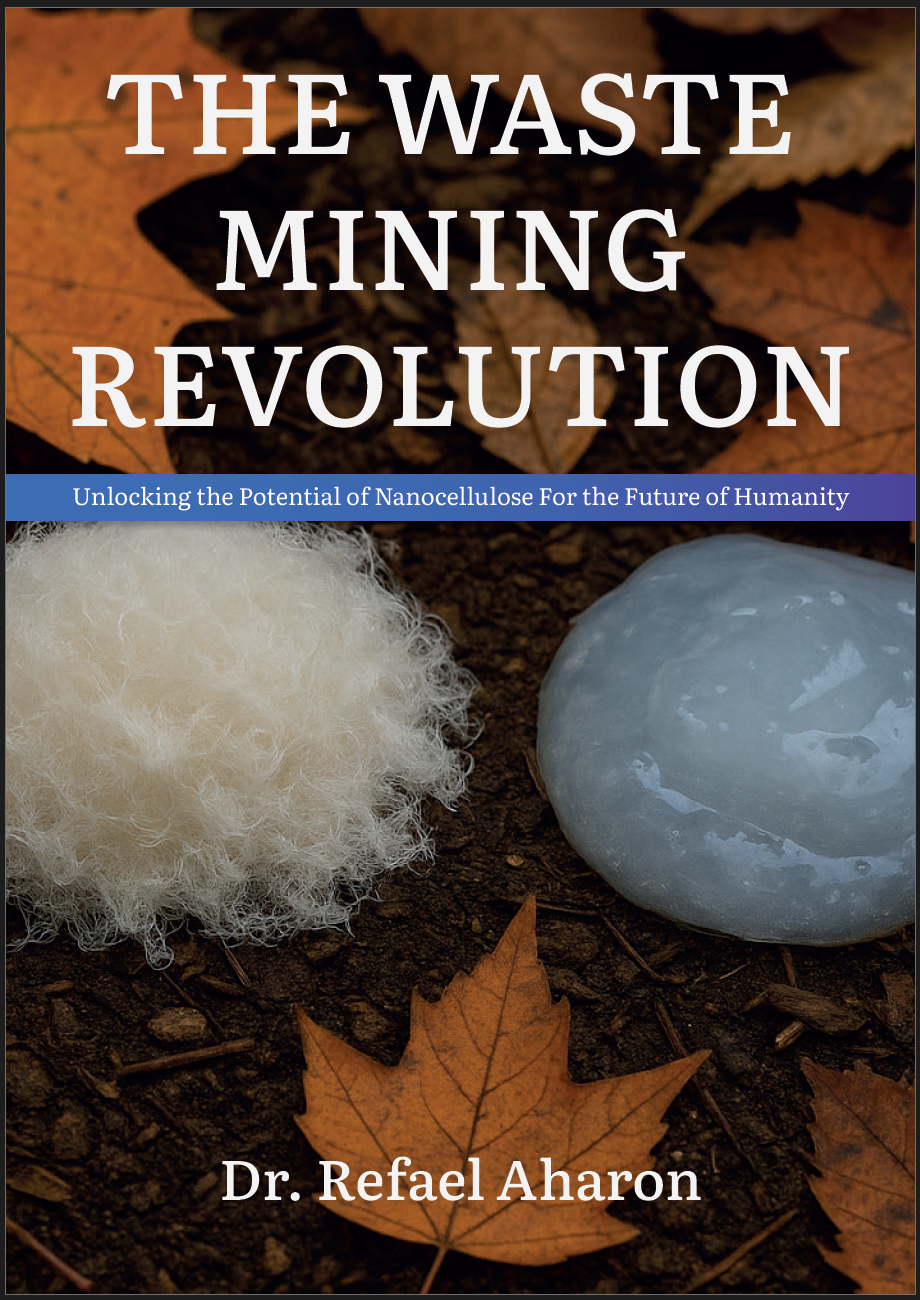
The Waste Mining Revolution Book
The Waste Mining Revolution by Dr. Refael Aharon presents a bold and practical rethinking of one of the world’s biggest challenges: waste. Rather than treating waste as an unavoidable burden, the book reframes it as a largely untapped resource capable of producing nanocellulose and other high-value materials with real industrial and environmental impact. Through real-world case studies and a clear systems-level approach, Dr. Aharon shows how existing waste streams can be transformed into the foundation of a scalable, circular economy.
For organizations operating in sustainability, materials science, or clean technology, this book offers more than theory. It provides the technical, economic, and strategic insight needed to design operations that are both environmentally responsible and financially viable. Supporting our operations with the knowledge in this book strengthens our ability to make informed decisions, optimize waste-to-value processes, and align innovation with long-term impact.
Beyond its operational relevance, the book delivers genuinely life-changing perspective. It challenges deeply rooted assumptions about pollution, scarcity, and value, fundamentally shifting how readers view waste in everyday life and at an industrial scale. By the end, waste is no longer something to manage or minimize, but a powerful opportunity for innovation, resilience, and economic growth. For innovators, policymakers, and forward-thinking leaders, this book does not just inform, it changes how you see the world you are building.
Our Team at Waste2Nano
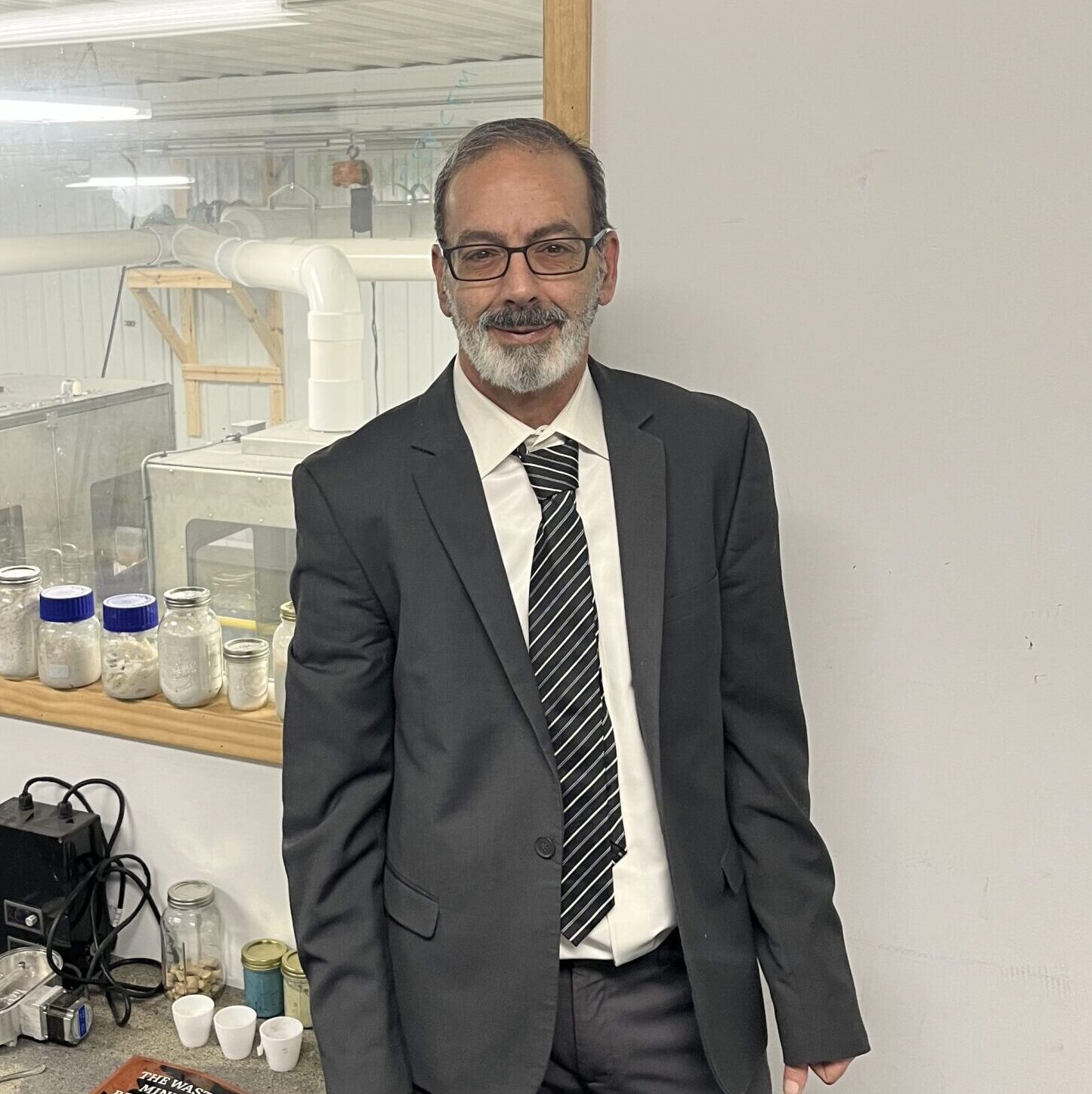
Refael Aharon
Founder, President & CTO
Dr. Aharon is the Founder of Waste2Nano and a pioneer in wastewater mining with decades of experience, building scalable systems that convert waste into nanomaterials and sustainable cooling infrastructure for next-generation AI and industrial applications.

Itai Aharon
Co-Founder, VP of Business Development
Itai leads the company’s Business strategy, vision, and execution, driving the development and scale of wastewater-cooled AI infrastructure. With experience in equity raising and private equity, he focuses on aligning operations, capital strategy, and partnerships to support sustainable long-term growth.
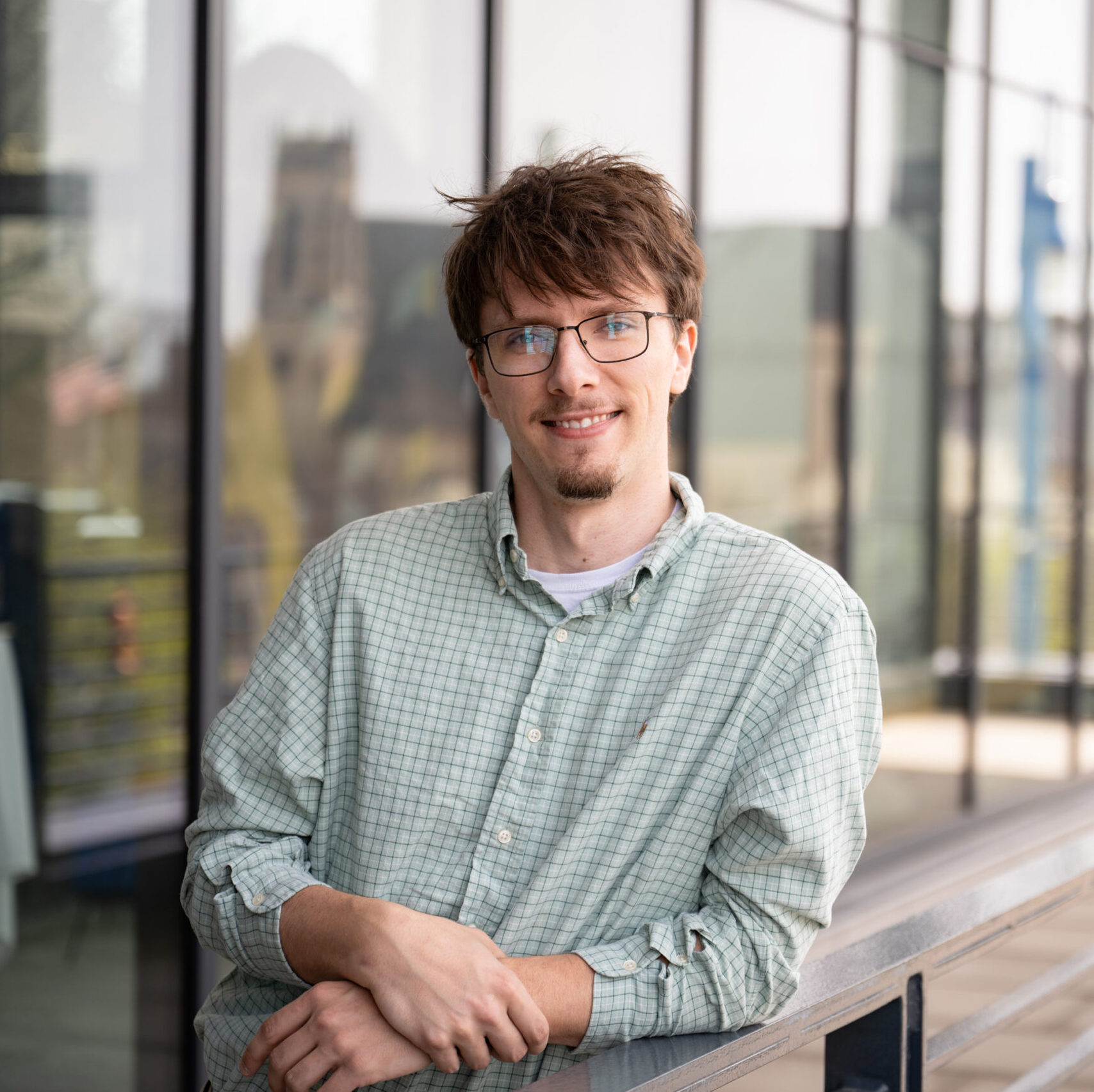
Chase Kramer
Mechanical Engineer
Chase is an engineering contributor at Waste2Nano, focused on early-stage design and concept development. With a background in Tier 1 automotive automation and lean manufacturing, he applies a systems-driven approach to improving machine performance and efficiency.

Ethan Tuttle
Director of Equity Raising
Ethan supports investment strategy and Operations efforts, focusing on early-stage capital raise. With a background in startup consulting, he brings a structured, data-driven approach to identifying market opportunities and building an outbound investment strategy to support the company.